
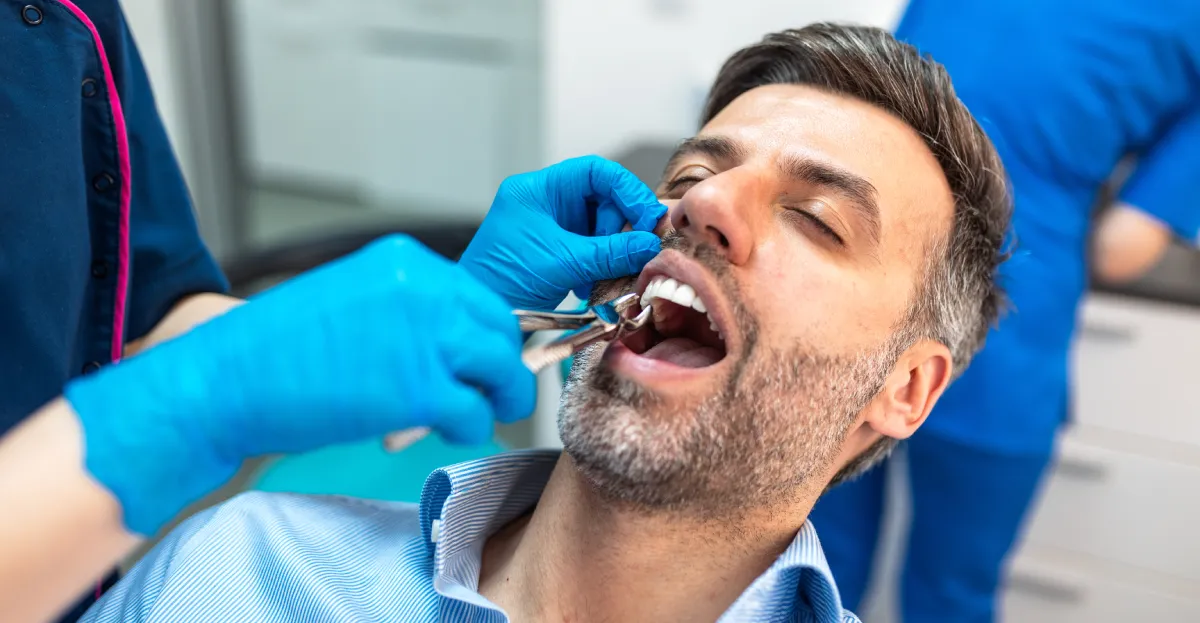
When Is a Tooth Extraction Necessary?
A tooth extraction in San Francisco, CA may be recommended when a tooth is severely damaged, infected, or no longer able to function properly. While preserving natural teeth is always an important goal, there are situations where removing a tooth can protect your oral health and prevent more serious complications. At Japantown Dental, Dr. Clint Taura carefully evaluates each patient's needs before recommending an extraction.
A tooth may require removal because of extensive decay, an infection, trauma, advanced gum disease, or other structural concerns. In some cases, extraction may also be considered when a tooth cannot be restored successfully with other dental treatments.
Reasons a Tooth May Need Extraction
Dentists generally make every effort to preserve natural teeth whenever possible. However, a severely compromised tooth may not have enough healthy structure remaining for a predictable restoration. Attempting to maintain such a tooth could allow infection or other problems to continue.
A tooth extraction procedure involves removing the affected tooth from its socket. Depending on the circumstances, your dentist may perform a simple tooth extraction or a surgical tooth extraction.
Extensive Tooth Decay
Tooth decay can gradually weaken the structure of a tooth. If decay becomes extensive enough that a filling, crown, or other restoration cannot adequately repair the tooth, tooth removal treatment may be recommended.
Seeking care early can sometimes prevent a cavity from progressing to the point where extraction is necessary.
Persistent Tooth Infection
An infected tooth can cause pain, swelling, sensitivity, and discomfort when biting or chewing. Depending on the situation, root canal treatment may provide a way to eliminate the infection while preserving the natural tooth.
However, when a tooth is severely damaged or cannot be predictably treated, dental extraction may be the appropriate solution. Your dentist can evaluate the source of the infection and explain your options.
Tooth Extraction After Dental Trauma
An injury can cause a tooth to crack, fracture, or break. Whether the tooth can be saved depends on the location and severity of the damage.
Some fractured teeth can be repaired with restorative treatment. However, if a fracture extends below the gumline or leaves too little healthy tooth structure for a restoration, removing a tooth may be necessary.
Advanced Gum Disease
Your gums and supporting bone play an important role in keeping your teeth stable. Advanced periodontal disease can cause these supporting structures to deteriorate, resulting in significant tooth mobility.
When a tooth has lost too much support and cannot be successfully maintained, an extraction of the tooth may be recommended. Treating the underlying gum disease is also essential for protecting the health of your remaining teeth.
What Happens During Dental Extraction?
Before performing an extraction, your tooth extraction dentist will examine your mouth and evaluate the affected tooth. Dental X-rays may be taken to provide a clearer view of the roots and surrounding bone.
A simple extraction is generally performed when the tooth is visible and accessible. A surgical extraction may be necessary when a tooth is impacted, broken, or more difficult to remove.
Your dental team will explain what to expect and provide instructions for tooth extraction care following the procedure.
Can a Tooth Be Saved?
Extraction does not always have to be the first treatment considered. During a tooth extraction consultation, your dentist can determine whether restorative treatment could provide a reliable alternative.
Depending on the situation, options may include a filling, crown, root canal, or other procedure designed to preserve the natural tooth. The recommendation will depend on the extent of damage, infection, remaining tooth structure, gum health, and long-term prognosis.
Replacing a Tooth After Extraction
If removing a tooth becomes necessary, your dentist can discuss ways to replace it. Dental implants, bridges, and removable appliances may all be considered depending on your individual circumstances.
Replacing a missing tooth can help restore chewing function and prevent the gap from affecting the surrounding teeth.
Know When to Seek Treatment
Tooth pain, swelling, a loose tooth, severe decay, or damage following an injury should not be ignored. Getting an evaluation early may allow your dentist to address the problem before it becomes more complicated.
At Japantown Dental, Dr. Clint Taura can assess your dental concerns and help you understand whether extraction or another treatment is appropriate. If you need a tooth extraction appointment, your dental team can explain the procedure and provide personalized guidance for recovery.